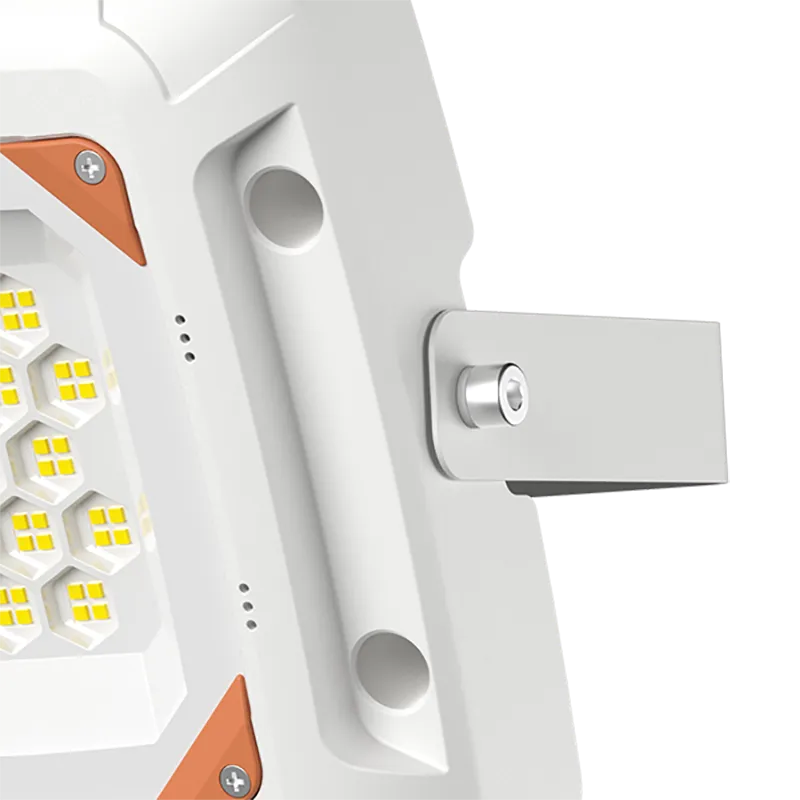

LED Industrial Lighting Market Analysis
Introduction
The global LED industrial lighting market has experienced significant growth over the past decade, driven by technological advancements, increasing energy efficiency requirements, and growing awareness of sustainable practices. As governments and industries continue to push for greener alternatives to traditional lighting solutions, LED lighting has emerged as the preferred option across various industrial sectors, including manufacturing, warehousing, logistics, and outdoor facilities.
This article provides a comprehensive analysis of the current state of the LED industrial lighting market, key trends, growth drivers, challenges, and future opportunities.
Market Overview
According to recent market research, the global LED industrial lighting market was valued at over USD 10 billion in 2023 and is projected to grow at a compound annual growth rate (CAGR) of around 8% through 2030. The rapid adoption of LED technology in industrial settings is primarily attributed to its superior energy efficiency, long lifespan, and decreasing cost over time.
Regions such as Asia-Pacific, North America, and Europe are the major contributors to market growth. Asia-Pacific, particularly China and India, holds the largest market share due to the rapid pace of industrialization and government initiatives promoting energy-saving infrastructure.
Key Market Drivers
1. Energy Efficiency Regulations
One of the main drivers of LED adoption in industrial environments is the strict implementation of energy efficiency regulations. Governments across the globe have introduced policies and subsidies that encourage businesses to replace outdated lighting systems with energy-efficient alternatives.
2. Cost Savings
Although the initial cost of LED fixtures is higher than traditional lighting systems, the total cost of ownership is significantly lower. LEDs consume up to 80% less energy and last several times longer, reducing maintenance and replacement costs.
3. Technological Advancements
Continuous innovation in LED technology has led to improvements in brightness, thermal management, and smart controls. Features such as motion sensors, dimmable lights, and integration with IoT systems make LEDs more suitable for intelligent industrial environments.
4. Increased Awareness of Workplace Safety and Productivity
Proper lighting plays a crucial role in workplace safety and productivity. Industrial facilities are increasingly turning to LED lighting for its ability to provide uniform illumination, reduce glare, and improve visibility — all of which contribute to fewer workplace accidents and better worker performance.
Market Segmentation
The LED industrial lighting market can be segmented based on:
• Product Type:
High Bay Lights
Low Bay Lights
Floodlights
Linear Fixtures
High bay and floodlights are particularly popular in large manufacturing plants, warehouses, and outdoor industrial zones.
• Application:
Factories and Manufacturing Units
Warehouses and Cold Storage
Stadiums and Outdoor Areas
Parking Garages
Hazardous Locations (e.g., oil & gas)
• Installation Type:
New Installation
Retrofit
Retrofitting existing facilities with LED fixtures is currently a cost-effective approach for many industrial operators, offering a quick return on investment.
Regional Analysis
• Asia-Pacific:
Dominates the global market due to large-scale manufacturing activities and government-backed energy efficiency programs. China’s “Made in China 2025” and India’s “Make in India” initiatives support demand growth.
• North America:
Driven by technological innovation and stricter environmental regulations. The U.S. is adopting smart factory concepts rapidly, integrating LED lighting with smart control systems.
• Europe:
Sustainability goals and carbon reduction targets make LED lighting a priority in industrial infrastructure upgrades.
Challenges
Despite the positive outlook, the LED industrial lighting market faces a few challenges:
High Initial Investment: For some small and medium enterprises (SMEs), the upfront cost of switching to LEDs can still be a deterrent.
Technical Compatibility: Retrofitting can be complicated in facilities with outdated electrical systems.
Market Fragmentation: The market is highly competitive, with numerous players offering varied levels of quality and pricing, leading to potential trust issues for buyers.
Future Outlook
The future of the LED industrial lighting market looks promising. With growing demand for smart and sustainable industrial facilities, manufacturers are expected to invest more in R&D to offer integrated lighting solutions. Innovations in human-centric lighting, sensor integration, and wireless control systems will further fuel market expansion.
Moreover, as the cost of LED chips and drivers continues to decline and global environmental standards become stricter, LED adoption in industrial settings will accelerate.
Conclusion
LED lighting is transforming the industrial landscape by providing efficient, reliable, and intelligent illumination solutions. As businesses prioritize energy savings, environmental responsibility, and operational efficiency, the demand for industrial LED lighting is expected to rise steadily.
Manufacturers, suppliers, and distributors who can offer high-quality products with reliable support and competitive pricing will be well-positioned to succeed in this rapidly evolving market.